
Microbial Organic Liquid Fertiliser
A liquid microbial fertiliser made from livestock waste (primarily pig and cattle), produced through microbial fermentation and aeration. Rich in active microorganisms, organic matter, and essential nutrients.
Three Fertilisers in One
Bio-fertiliser
Built on active, living microorganisms rather than synthetic inputs. The fermentation itself is the fertiliser.
Organic fertiliser
Retains the organic matter from the original livestock waste, providing organic material for both soil and plants.
Liquid fertiliser
Delivered as a liquid, so it moves into soil fast and spreads evenly across paddocks or fields.
Four Formulations, One for Each Growth Stage
Crops need different support at different points in the season. The range is built around that, with a formulation for each stage from seedling through to soil recovery.
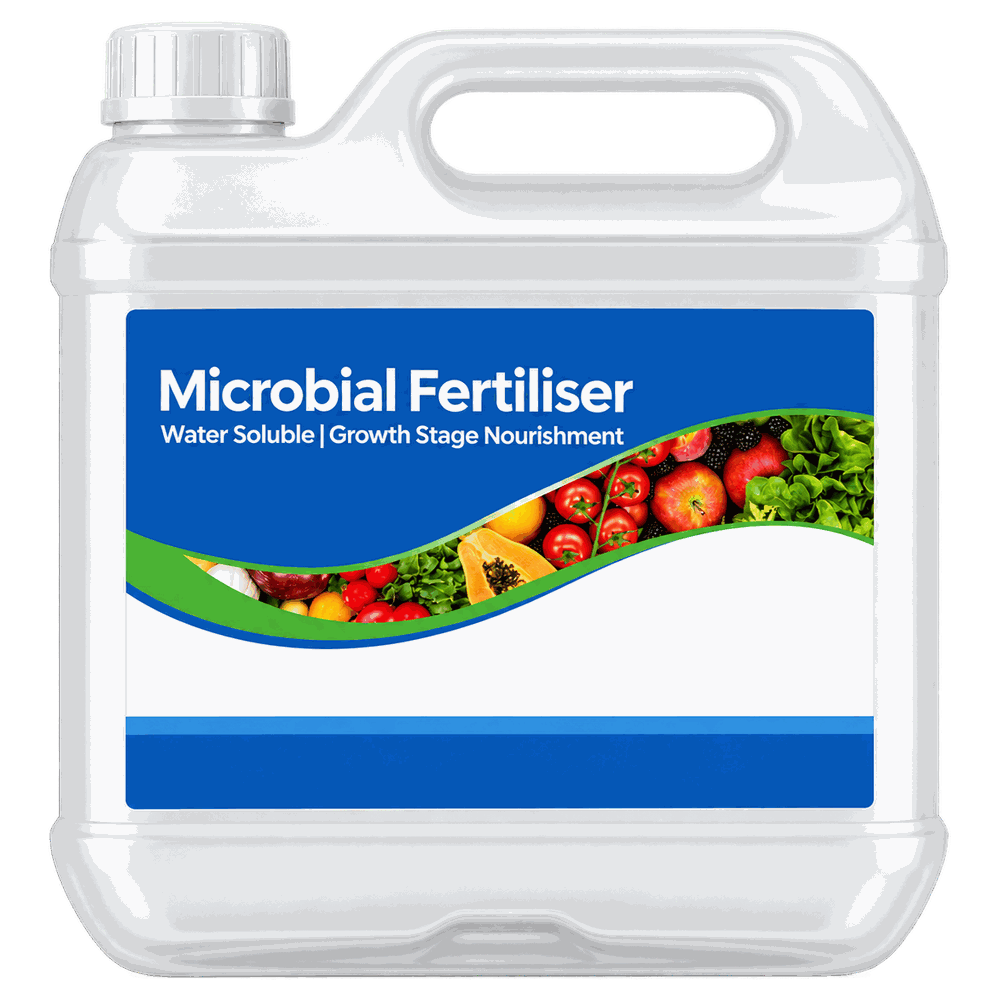
Microbial Fertiliser
A Balanced Liquid Microbial Formula for the Seedling Stage
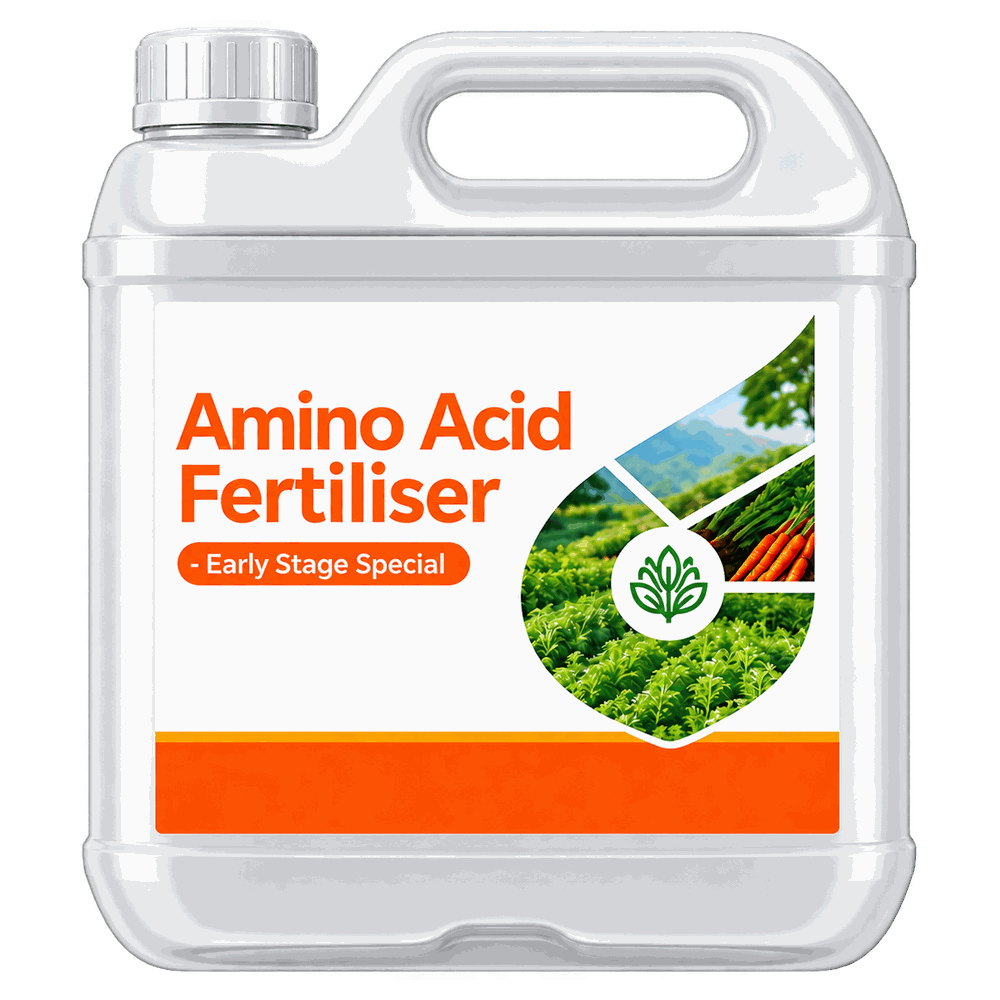
Amino Acid Fertiliser
Amino Acid & Microbial Synergy for the Root Zone
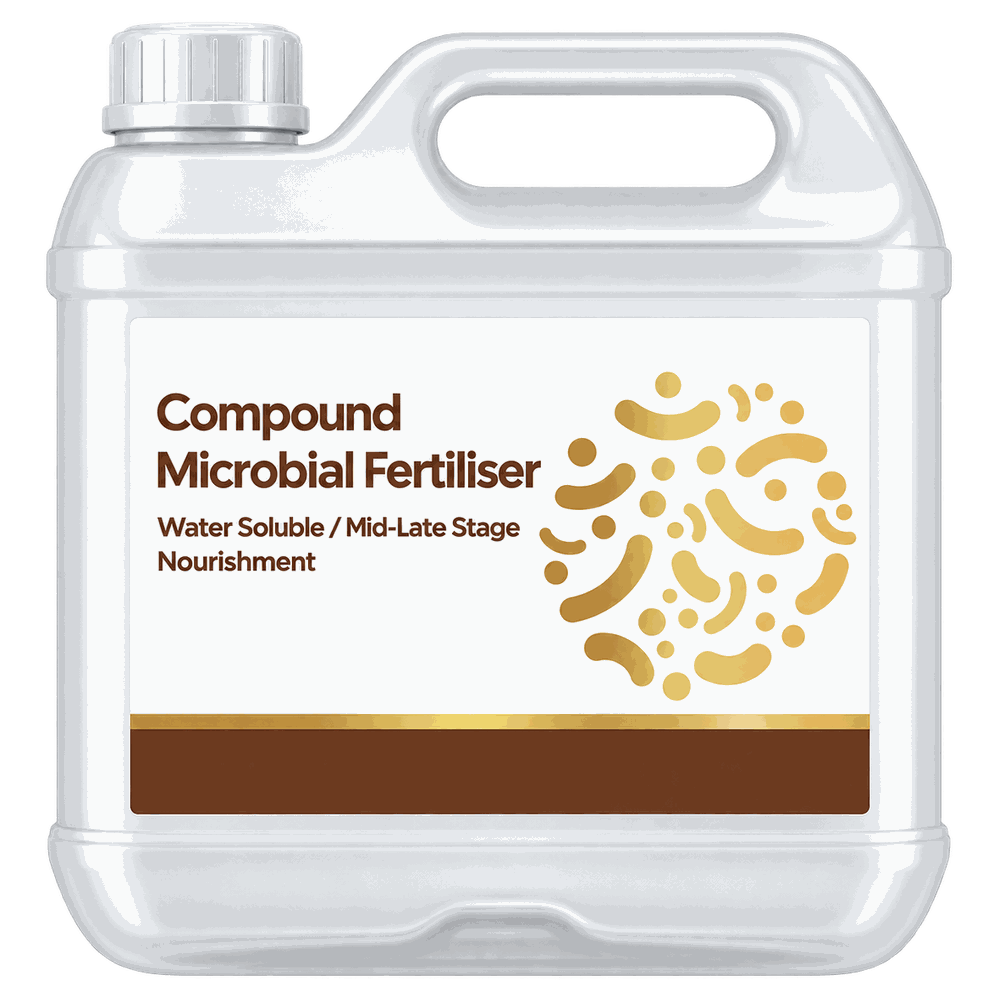
Compound Microbial Fertiliser
Multi-Strain Microbial Formula for Nutrient Availability
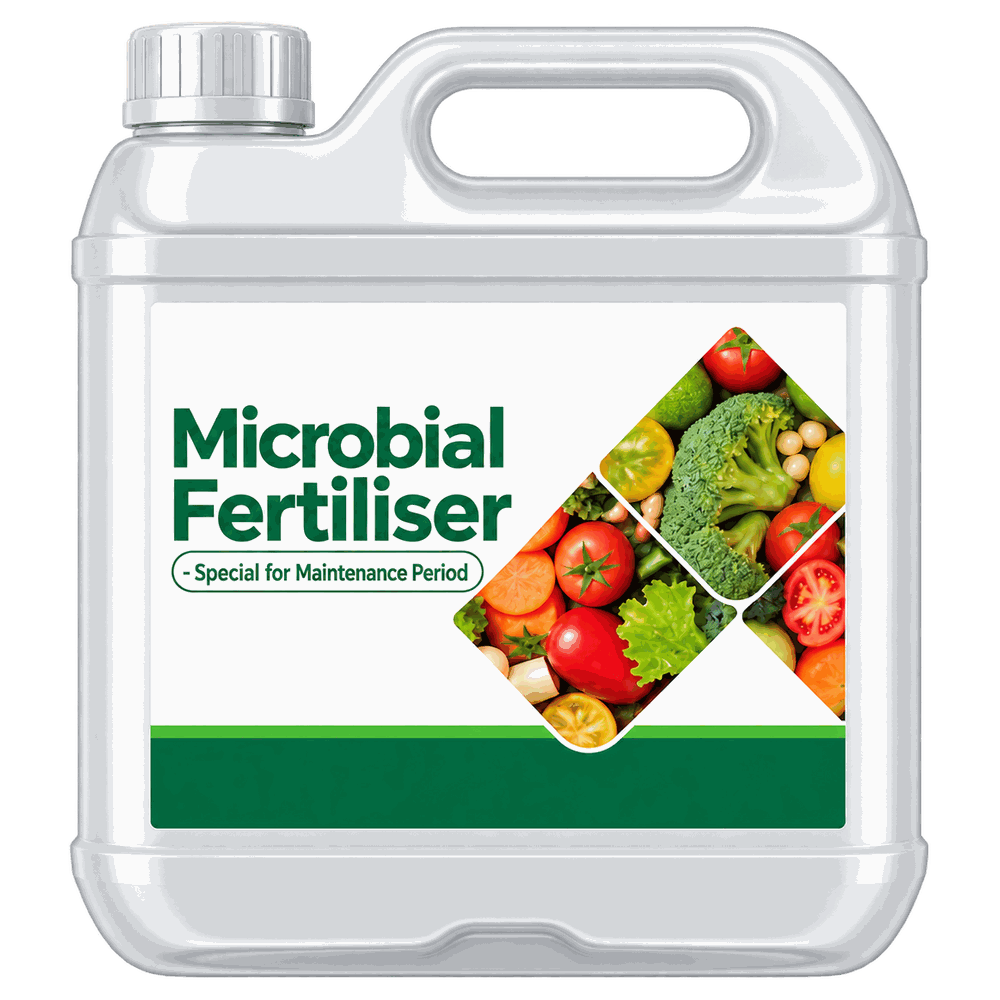
Microbial Fertiliser
Formulated to Support Soil Health, From the Root Up
How it is applied
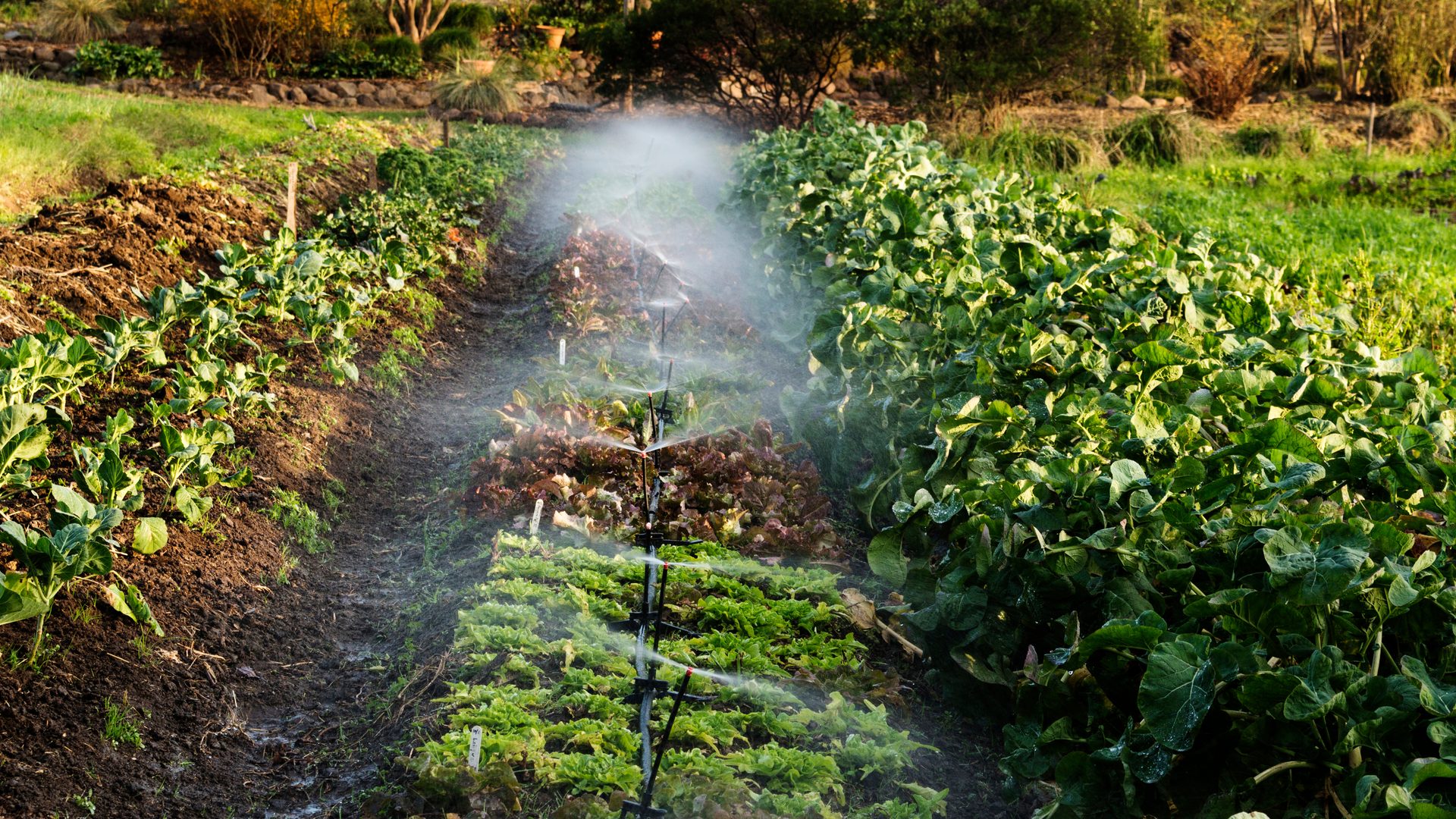
Designed to run through most existing drip and spray irrigation systems, the fertiliser integrates directly into fertigation — delivering nutrients through the same system used for irrigation, rather than requiring separate application equipment or extra passes across the paddock.
Application is staged across the growing season, with different formulations matched to each crop stage — from seedling through to maintenance. Across a full season, indicative total application is approximately one tonne per hectare, adjusted for crop, soil, and growth stage. Contact us for stage-by-stage application rates specific to your crop.
Frequently Asked Questions
For Farmers: Microbial Fertilisers & Crop Performance
Microbial liquid fertilisers are biological products containing active living microorganisms — such as beneficial bacteria, fungi, and actinomycetes — combined with organic matter, amino acids, and trace nutrients. These microbes are designed to colonise the soil and root systems, convert fixed or insoluble soil nutrients into bio-available forms, and support soil structure.
Liquid formulations are water-soluble and designed for integration into fertigation systems, including drip irrigation, sprinkler systems, sprayers, and drone applications. Product lines can be tailored to different crop growth stages, from early root development through to maintenance of degraded or continuous-cropping soils.
For Livestock Farmers: Wastewater & Effluent Management
On-site farm growth is frequently capped by environmental regulations and spatial limits on how much liquid waste can be legally stored or spread on-site. Off-site waste removal is designed to ease that legal and spatial constraint. Collection will still involve a vehicle attending the farm on a scheduled basis, so standard biosecurity protocols continue to apply at the collection point.
For Casual Visitors: The Microbial Conversion Process
Raw liquid waste is first heated to break down parasite eggs and pathogens. Microbial cultures are then introduced, fermenting the material through both aerobic and anaerobic processes to break down complex organic matter into a stable, nutrient-rich liquid fertiliser. Standard processing takes 6–12 days, with the cycle able to run in as little as 24 hours under optimised conditions.
The conversion engine is powered by a proprietary formulation of microorganism strains working together, rather than a single strain. The multi-strain formulation combines nitrogen-fixing, phosphate-solubilising, potassium-releasing, and biocontrol bacteria, including strains such as Bacillus subtilis, Paenibacillus polymyxa, and Bacillus megaterium.
The process is designed to capture agricultural waste before it can reach local catchments or waterways, converting it into a stable liquid fertiliser rather than leaving it in open storage.
For Partners, Investors & Value Chain Stakeholders
This closed-loop model reflects the principles of the Australian Agriculture Circular Economy (AACE) Framework, converting agricultural waste streams into valuable fertiliser inputs and supporting Australia’s fertiliser security.
A standard regional processing plant, based on the technology’s established design, covers 3,000–5,000 square metres of automated production area, with a design capacity of 20,000 to 26,000 tonnes processed annually.
Put Biology Back Into Your Soil
Talk to us about which formulation suits your crop, your soil and your stage of season.